
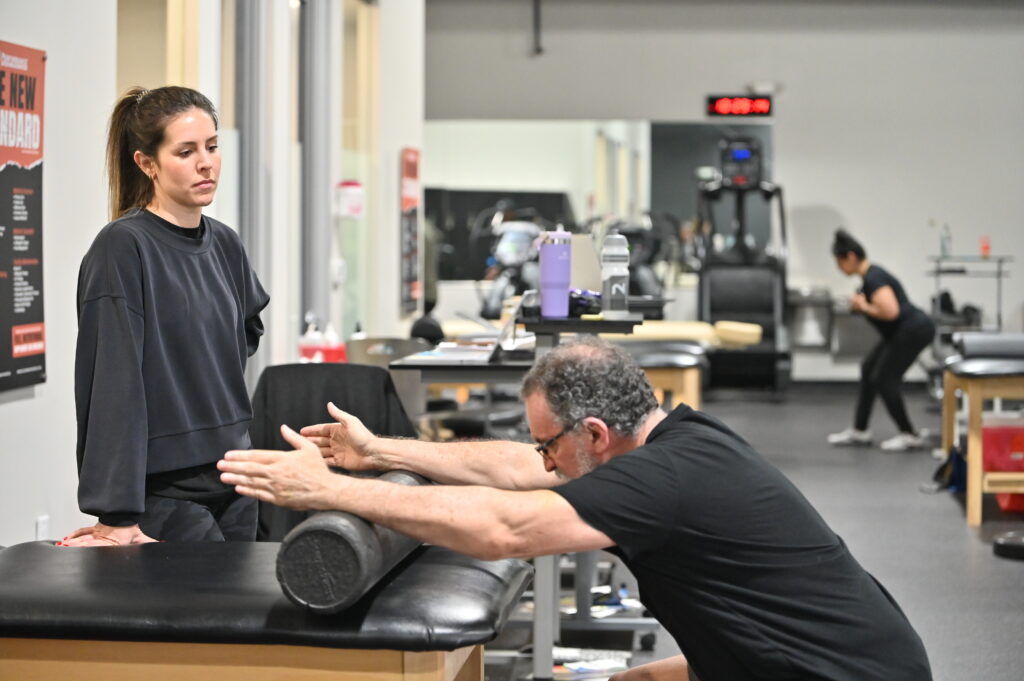
Shoulder pain is one of the most common issues we see in people who lift weights across Plano, Frisco, Prosper, The Colony, and North Dallas.
It shows up in people who train hard, people who train casually, and people who “used to train” but now deal with nagging pain every time they press, pull, or reach overhead.
Most lifters are told the same things:
- “Your rotator cuff is weak”
- “Stop lifting for a while”
- “You probably tore something”
- “Just stretch it more”
Those explanations are rarely accurate and almost never helpful long-term.
Why Shoulder Pain Is So Common in North DFW Lifters
North DFW has a huge population of active adults who:
- Lift before or after long workdays
- Sit for extended hours
- Train with intensity but limited recovery
- Follow online programs not built for their body or schedule
- Push through discomfort because “that’s just lifting”
The shoulder is the most mobile joint in the body. That mobility is powerful, but it also means the shoulder relies heavily on coordination, strength, and timing from the entire upper body.
When that system breaks down, pain shows up.
The Biggest Shoulder Pain Myth
The most common myth is that shoulder pain equals shoulder damage.
In reality, most lifting-related shoulder pain is caused by:
- Poor shoulder blade control
- Limited upper back mobility
- Excessive pressing volume without balance
- Fatigue accumulating faster than recovery
- Old injuries changing movement patterns
- Nervous system protection after repeated irritation
True structural tears are far less common than people think, especially in recreational lifters.
Why Rest Alone Usually Makes Shoulder Pain Worse
Many people stop lifting entirely when shoulder pain starts. Symptoms calm down temporarily, then return the moment training resumes.
This happens because:
- Muscles lose strength and coordination
- Tendons lose load tolerance
- The nervous system becomes more protective
- Confidence in movement drops
The shoulder becomes less prepared, not more healed.
Common Shoulder Pain Patterns We See in Lifters
Across Plano, Frisco, and North Dallas gyms, shoulder pain most often presents as:
- Pain during bench press or overhead pressing
- Discomfort at the front of the shoulder
- Sharp pain during reaching or racking weights
- Clicking or catching sensations
- Pain that worsens late in workouts
- Pain that lingers after training
These patterns almost always involve movement mechanics, not damage.
Why Imaging Often Confuses the Picture
MRIs frequently show:
- Labral fraying
- Rotator cuff “tendinosis”
- Minor tears
- Degenerative changes
These findings are extremely common in people without pain. When lifters see these words, fear increases. Training stops. Symptoms often worsen.
Structure does not equal symptoms.
What Actually Fixes Shoulder Pain From Lifting
Long-term improvement requires rebuilding how the shoulder functions as part of a system.
Effective rehab focuses on:
- Shoulder blade strength and control
- Upper back mobility and endurance
- Balanced pressing and pulling volume
- Gradual reloading of painful movements
- Improving overhead mechanics
- Reducing fear around lifting
- Programming that respects recovery
We do not shut lifters down. We modify intelligently and rebuild capacity.
Why “Rotator Cuff Exercises” Alone Are Not Enough
The rotator cuff does not work in isolation.
If the shoulder blade and upper back are not doing their job:
- The cuff overworks
- Pain returns
- Progress stalls
Cuff work is a tool, not a solution.
How We Evaluate Shoulder Pain Differently
A proper shoulder evaluation looks far beyond isolated strength tests.
We assess:
- Shoulder blade motion during lifting
- Thoracic spine mobility
- Pressing and pulling mechanics
- Training volume and weekly structure
- Prior shoulder, neck, or elbow injuries
- Grip and core contribution
- Fear and movement avoidance patterns
This allows us to address the real driver of pain, not just where it hurts.
Can You Keep Lifting With Shoulder Pain?
In most cases, yes.
The goal is not pain elimination before movement. The goal is intelligent exposure that rebuilds tolerance while symptoms settle.
Many lifters are surprised how quickly pain improves when movement quality and loading are addressed correctly.
When You Should Get Help
Shoulder pain deserves evaluation when:
- Pain persists longer than two weeks
- Symptoms worsen despite rest
- You avoid movements you previously trusted
- Strength is declining
- Pain interferes with sleep or daily tasks
- You feel unsure how to train safely
Early guidance prevents months or years of stalled progress.
A Final Thought for Lifters in North DFW
Your shoulder is not fragile. It is overloaded and under-supported.
When training, recovery, and movement quality align, shoulder pain fades into the background and lifting becomes enjoyable again.
If you train in Plano, Frisco, Prosper, The Colony, or North Dallas and want clarity instead of trial and error, the right assessment is often the difference between spinning your wheels and moving forward with confidence.